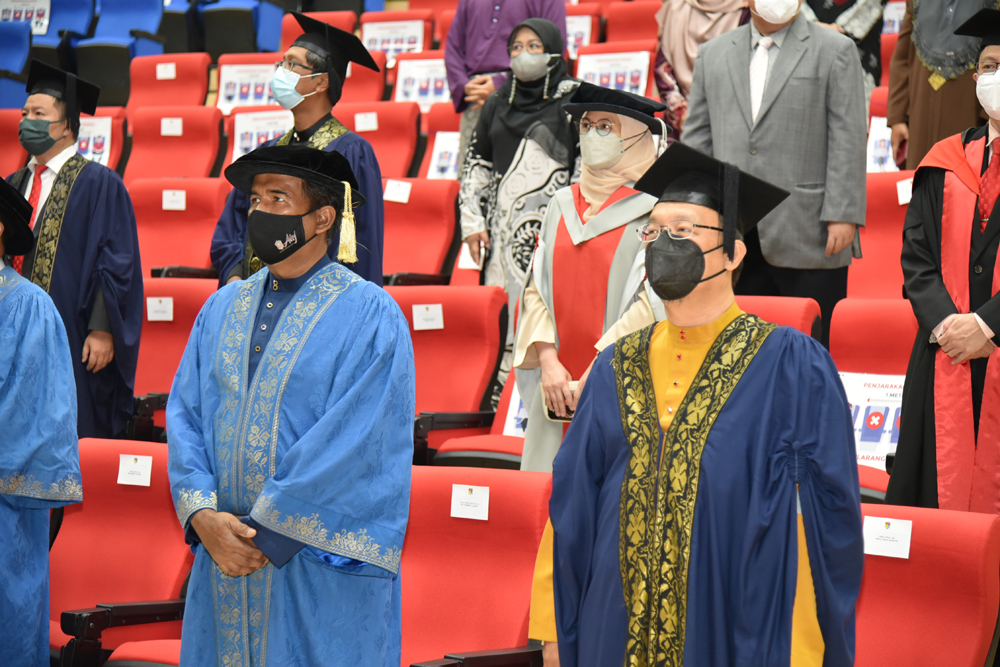
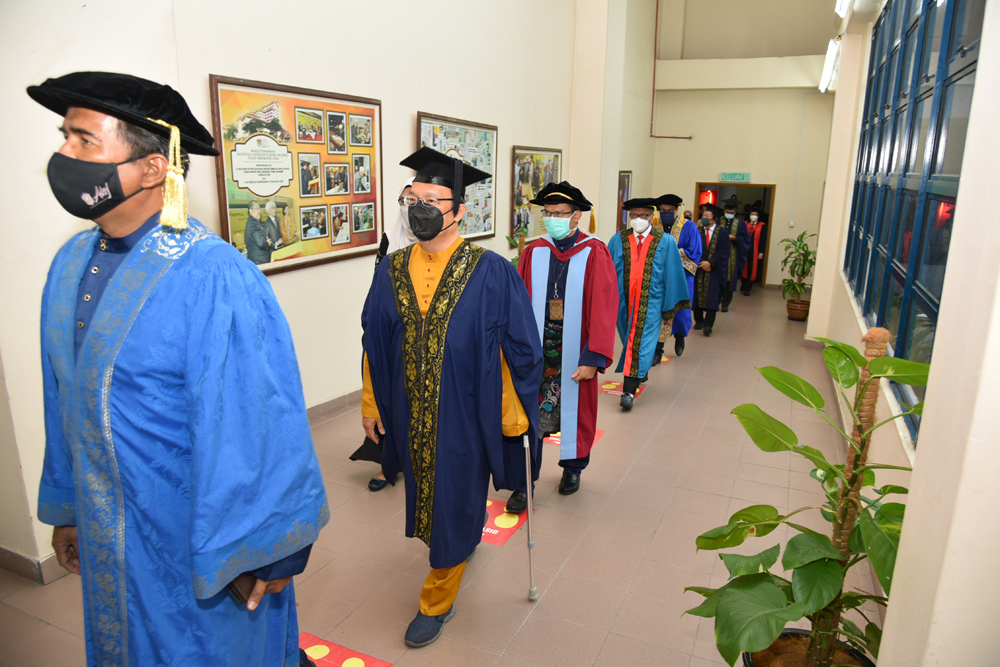
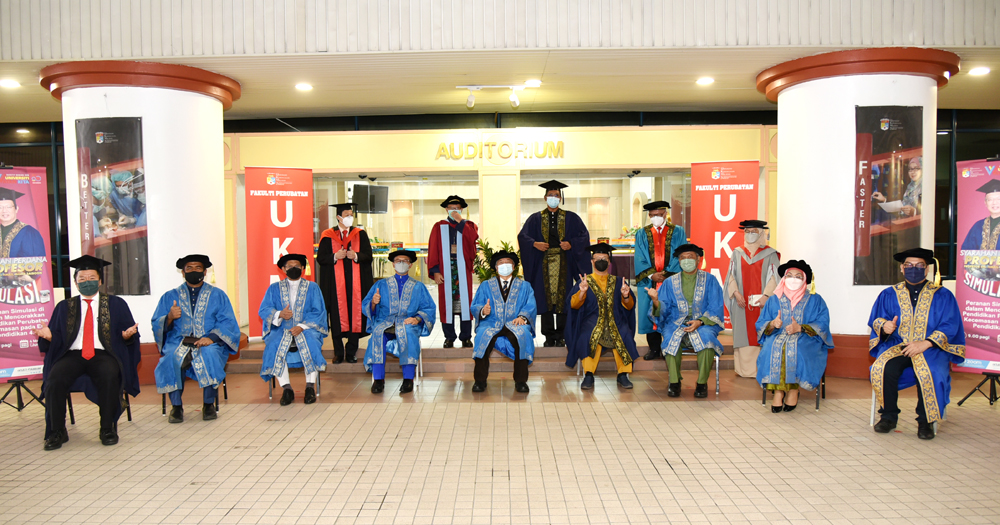
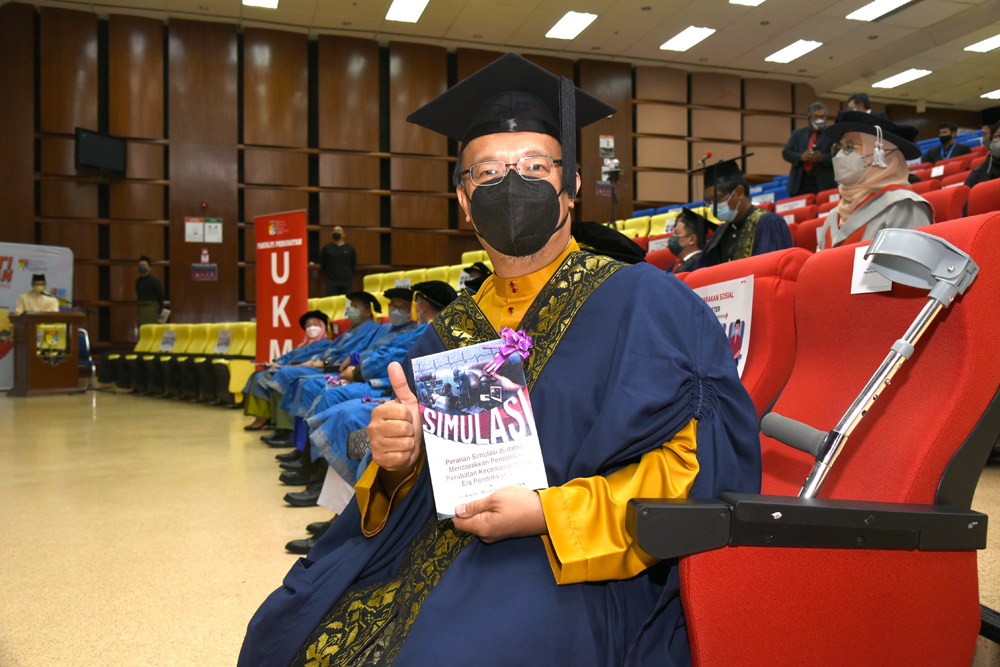
Majlis Syarahan Perdana “Peranan Simulasi di Dalam Mencorakkan Pendidikan Perubatan Kecemasan pada Era Pendidikan 4.0”
The Role Of Simulation In Shaping Emergency Medicine Education In The Era Of Education 4.0
Healthcare or clinical simulation is a branch of knowledge that utilizes the technique of simulation for the purpose of education, assessment, research and system integration in the medical field. Simulation has been recognized as one the trust in the era of Industrial Revolution 4.0. Emergency Medicine being one of the newest branches of medicine has found that clinical simulation is very applicable in the delivery of its teaching and learning in this field both for the undergraduates and postgraduates. It was noted that bed-side teaching alone is not adequate to fulfil the required educational needs in the Emergency Medicine. This was contributed by the unpredictability of patients coming to the Emergency Department, that leads to opportunistic learning for cases or procedures. Unlike in the clinics, wards or operation theatres the uncontrolled learning environment in the Emergency Department was also not conducive for learning. Some of the areas of study in Emergency Medicine were also quite difficult to emulate in real-life situation like disaster, plague or austere situation. Teaching-learning in these areas can be very dangerous for both the teachers and learners. The used of clinical simulation will bridge the educational gap and ensure the aim of producing a competent emergency physician that able to function in any situation. This is important in ensuring a quality emergency medical treatment delivered by a competent emergency physician will contribute significantly towards patient safety. There are many facets that contributed to the success of simulation-based education but the two main elements were the experienced generated through immersive simulation and the effectiveness of debriefing by an experience debriefer. Here the author would like to share key points in developing an immersive simulation experience and the technique of debriefing that was developed by the author based on the local settings. These aspects of simulation are important in developing learners’ competency, critical thinking and ability to make a good clinical decision in an emergency situation. In summary, clinical simulation is a revolution in teaching and learning especially in emergency medicine. Its presence is very timely with the needs of medical education especially in the field of Emergency Medicine.